Insulin and Metabolic Health
Last weekend I attended a Low Carb Nutrition Conference in Melbourne. One of the exhibitors offered attendees a Continuous Glucose Monitor (CGM) to experiment with, and I accepted as I was curious and had never worn one before.
Most days I eat a low-carb diet, and my glucose remains very stable throughout the day.
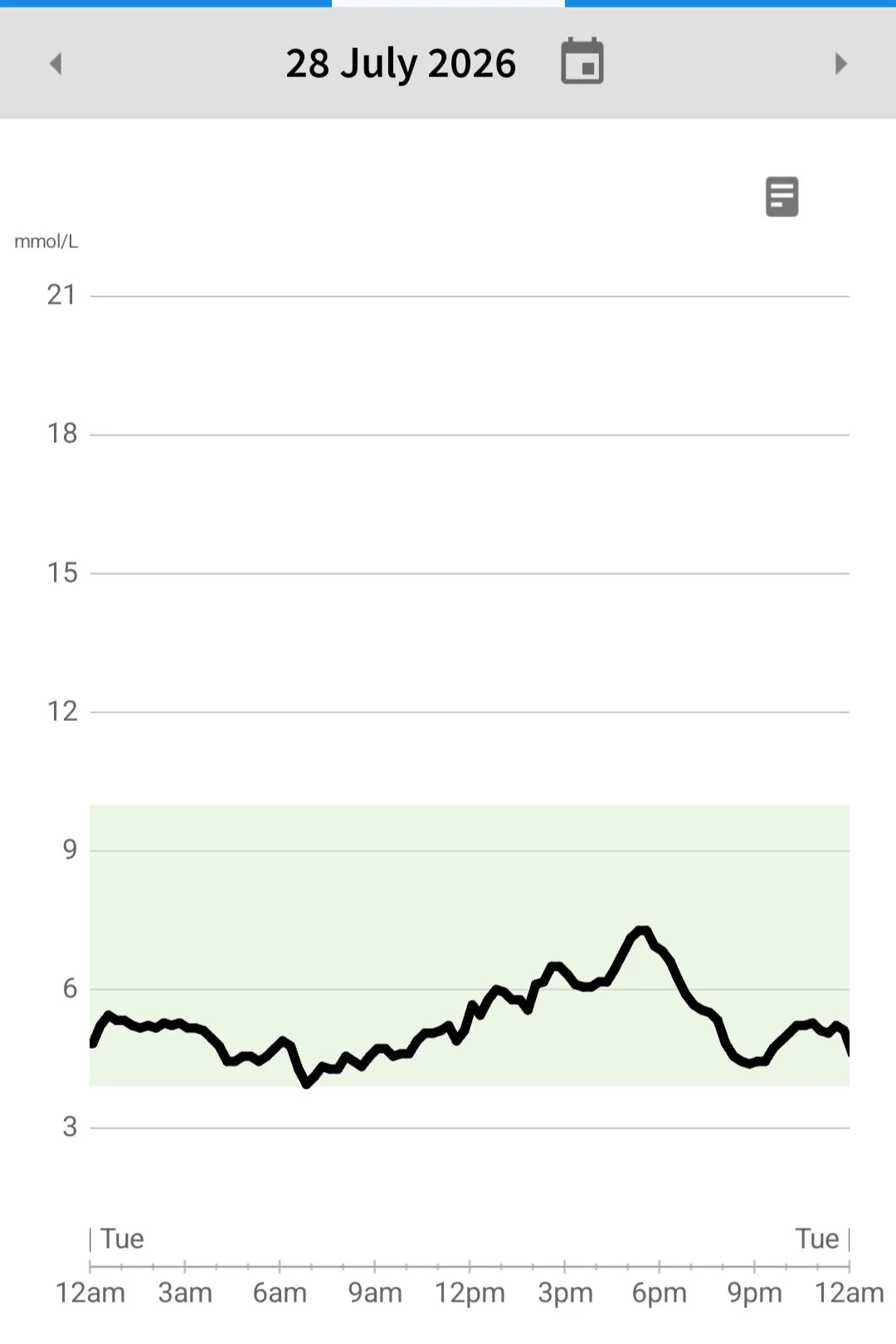
Figure 1: A typical low-carb day.
I decided to do a couple of experiments.
Around 4:30 pm on 26 July, I ate a single German pretzel.
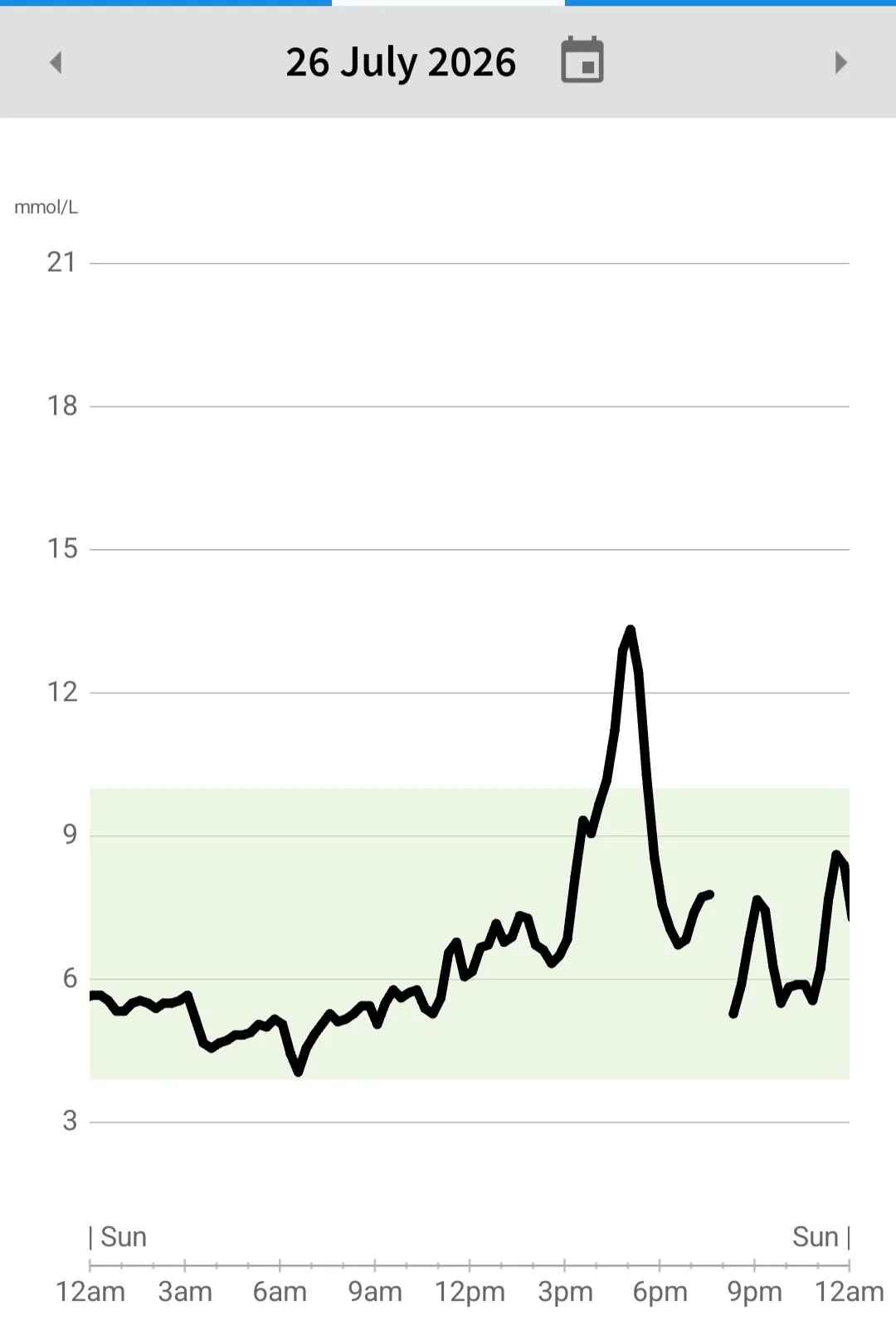
Figure 2: Glucose response to one pretzel.
The following day, I ate a ham and cheese croissant for lunch at around 12:30 pm.
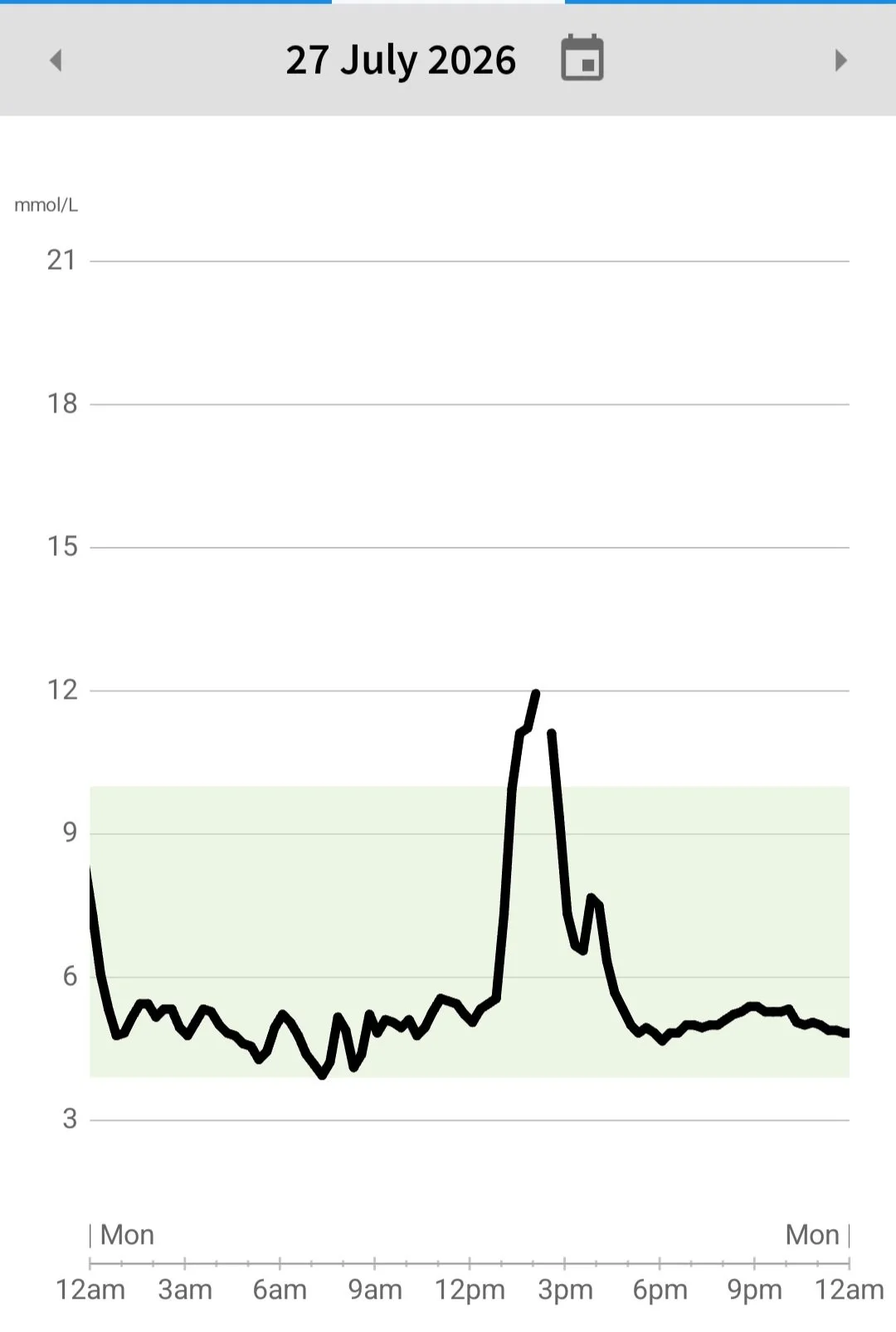
Figure 3: Glucose response to one croissant.
I was genuinely surprised that just one pretzel and one croissant caused such significant glucose spikes.
When our blood glucose rises, our body releases insulin to help move that glucose out of the bloodstream and into our cells. While insulin is essential for life, frequent large insulin responses, particularly when driven by repeated high-carbohydrate meals and snacks, may contribute over time to insulin resistance, which is strongly associated with obesity, type 2 diabetes, and metabolic dysfunction.
Think about what many people eat in a typical day:
Breakfast: cereal or toast
Lunch: sandwich
Afternoon snack: fruit and muesli bar
Dinner: pasta, rice or pizza
That's multiple carbohydrate-rich meals and snacks, each potentially requiring another insulin response.
One of the biggest take-home messages from the conference was that metabolic health isn't just about calories - it's also about hormones. Insulin, cortisol, sex hormones, sleep, stress and physical activity all influence how our bodies regulate energy.
For women, declining oestrogen during perimenopause and menopause can make maintaining muscle, managing appetite and regulating blood sugar more challenging. It's no wonder so many women notice changes in weight and body composition during this stage of life.
This doesn't mean carbohydrates are "bad" or that everyone needs to eat keto. But it does highlight why choosing protein-rich, nutrient-dense whole foods, reducing ultra-processed carbohydrates, and building muscle through resistance training can make such a positive difference to long-term metabolic health.
Our bodies are remarkably adaptable, but they respond to the signals we give them every day, and often we aren’t even aware of the metabolic processes.